
Food waste can happen easily at home. A forgotten vegetable, an oversized grocery trip, or leftovers that sit too long can all lead to food being thrown away. The good news is that small, consistent changes can make a meaningful difference.
Reducing food waste does not require perfect planning or major lifestyle changes. It starts with using what you already have, buying only what you need, and storing food in ways that help it last longer. These practical tips can help you save money, simplify meals, and make better use of the food in your kitchen.
Start With a Kitchen Inventory
Before shopping, take a quick look through your refrigerator, freezer, and pantry. Knowing what you already have can prevent duplicate purchases and remind you of ingredients that need to be used soon.
Create a simple list of:
– Fresh foods that should be eaten soon
– Open packages
– Frozen ingredients
– Pantry items nearing their best-by dates
– Leftovers from recent meals
You can keep this list on your phone, a notepad, or a kitchen whiteboard. Try grouping foods by where they are stored so the list is easy to update.
A weekly “use it up” check can also help. Choose a day to review your food and plan one or two meals around ingredients that may otherwise be forgotten.
Plan Flexible Meals
Meal planning can reduce waste, but a rigid plan may not work if your schedule changes. Instead, plan a few flexible meals and leave room for leftovers or unexpected changes.
For example, you might plan:
– One soup, stew, or casserole
– One meal based on grains and vegetables
– One pasta or stir-fry dish
– A flexible leftover night
– Easy ingredients for quick meals
Choose recipes that share ingredients. If you buy spinach for one meal, plan another dish that uses the rest. A bunch of herbs can be used in salads, sauces, sandwiches, and soups.
It also helps to plan meals that can be adjusted. Extra roasted vegetables can become a filling for tacos, a topping for grain bowls, or an ingredient in an omelet. Flexible meals make it easier to use small amounts of food instead of throwing them away.
Shop With a Realistic List
A shopping list is one of the simplest tools for reducing food waste. Before writing it, check your kitchen inventory and consider your schedule for the week.
Ask yourself:
– How many meals will I actually cook?
– Will I eat at home every day?
– Do I already have an ingredient that can serve the same purpose?
– Am I buying a large package because it costs less, or because I will use it?
Avoid shopping while hungry when possible, since hunger can encourage impulse purchases. If you often buy more fresh food than you can eat, consider smaller quantities or more frequent trips to the store.
Buying loose fruits and vegetables can also help you choose only the amount you need. When packaged options are the only choice, look for foods that can be frozen or used in several recipes.
Store Food Properly
Good storage can extend the life of many foods. Keep foods that need to be used soon where you can easily see them. This reduces the chance that they will be forgotten behind newer items.
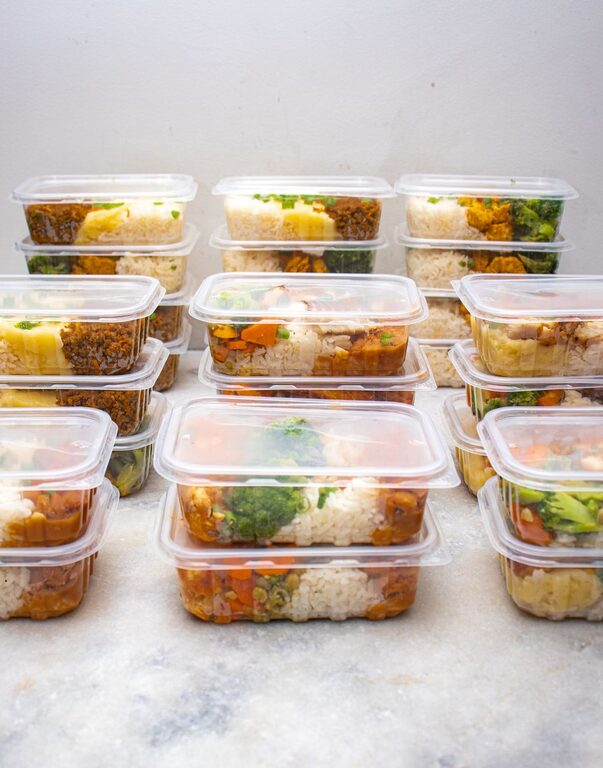
Use clear containers for leftovers and label them with the date they were stored. Arrange older foods toward the front and newer foods toward the back. This simple system makes it easier to follow a first-in, first-out routine.
Different foods have different storage needs. In general:
– Keep dry goods in sealed containers in a cool, dry place.
– Store delicate herbs in a way that helps them stay fresh, such as wrapped loosely or placed in water when appropriate.
– Keep cut fruits and vegetables in clean, sealed containers.
– Freeze food you will not use soon.
– Avoid overcrowding the refrigerator so cool air can circulate.
Learn the difference between quality dates and safety instructions on food packaging. Some foods may still be suitable after a best-by date if they have been stored properly and show no signs of spoilage. When in doubt, use your senses and follow the package guidance.
Make Better Use of Leftovers
Leftovers are convenient, but they are easy to overlook. Store them in individual portions when possible so they are simple to reheat and take for lunch.
Give leftovers a planned purpose. If you cook extra rice, use it for fried rice, a bowl, or a side dish the next day. Extra cooked vegetables can be added to soup, pasta, or a sandwich. A small amount of meat, beans, or grains can become part of a salad or wrap.
Try setting aside one evening each week for a “leftover meal.” Place several dishes on the table and let everyone create a plate from what is available. This can reduce waste while adding variety to dinner.
Use More of Each Ingredient
Many parts of food that are commonly discarded can be used in creative ways. Vegetable stems, leafy tops, and herb stems may add flavor to stocks, soups, sauces, or blended dishes.
Here are a few ideas:
– Use broccoli stems in slaws, stir-fries, or soups.
– Add carrot tops to sauces or herb-based spreads.
– Turn stale bread into breadcrumbs, croutons, or a baked topping.
– Use soft fruit in smoothies, sauces, or baked goods.
– Add citrus zest to dressings, marinades, and desserts.
– Save small pieces of vegetables for a homemade stock.
Before using an ingredient, make sure it is clean and suitable for the recipe. Some parts may have a different texture, so chopping, blending, or cooking them can make them easier to enjoy.
Freeze Food Before It Goes Bad
Freezing is a helpful way to preserve food when you know you will not use it soon. Many foods can be frozen in meal-sized portions, including bread, cooked grains, fruits, vegetables, and prepared meals.
For best results, use freezer-safe containers or bags and remove as much excess air as practical. Label each item with its name and the date it was frozen. This prevents mystery packages from building up in the freezer.
Freeze food while it is still fresh rather than waiting until it is already spoiled. You can also freeze small amounts of ingredients, such as chopped onions, ripe bananas, or leftover tomato paste, for future recipes.
Serve Smaller Portions First
Serving too much food can lead to unnecessary waste, especially when people have different appetites. Start with smaller portions and allow everyone to take more if they are still hungry.
For gatherings, offer a variety of serving sizes and avoid preparing far more food than needed. If you do have extra food, cool and store it promptly according to safe food-handling practices, or share it with friends, family, or neighbors when appropriate.
Track What You Throw Away
For one week, keep a simple note of food that goes into the trash. You do not need to weigh everything. Just record the item and the reason it was wasted.
Common patterns may include:
– Buying too much fresh produce
– Cooking more than your household can eat
– Forgetting food in the refrigerator
– Storing food in a way that causes it to spoil
– Buying ingredients for recipes you never make
Once you see the pattern, choose one change to try. If salad greens often go unused, buy a smaller amount or plan more meals around them. If leftovers are forgotten, use clear containers and add reminder notes.
Build Habits That Last
The most effective approach is to focus on a few habits that fit your routine. Start by checking your kitchen before shopping, planning flexible meals, and labeling leftovers. After those steps become familiar, add another practice, such as freezing extra food or using more of each ingredient.
Reducing food waste is not about using every single item perfectly. It is about making thoughtful choices more often. With a little planning and better storage, your household can enjoy fresher meals, spend less on unused groceries, and make the most of the food already in your kitchen.