
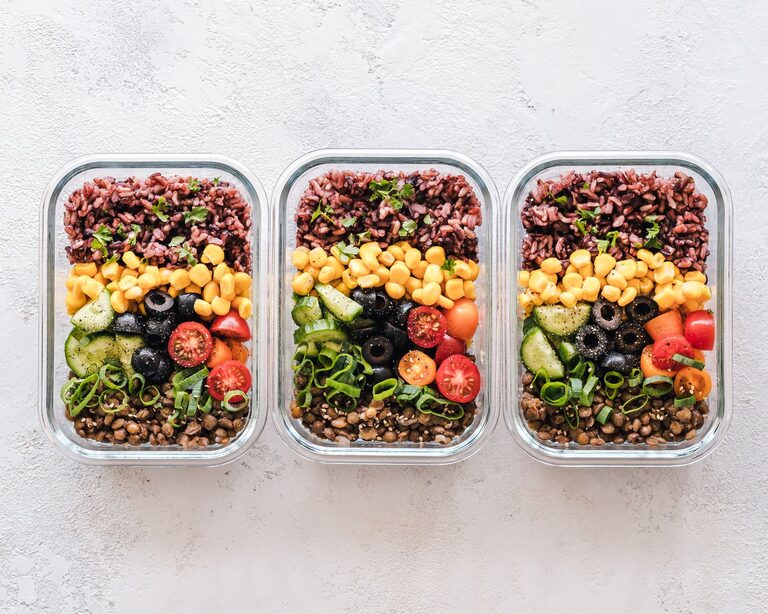
Planning balanced meals does not have to mean following a strict menu, measuring every ingredient, or cooking from scratch every day. A simple routine can help you create satisfying meals while leaving room for busy schedules, changing preferences, and occasional takeout.
The goal is to make meal planning easier, not perfect. With a flexible system, you can choose foods you enjoy, use what you already have, and reduce the stress of deciding what to eat.
Start With a Simple Meal Formula
A balanced meal usually includes a few different types of food. Instead of focusing on exact portions, use a basic formula:
– A source of protein
– Vegetables or fruit
– A source of carbohydrates
– A small amount of fat or a flavorful topping
This structure works for breakfast, lunch, and dinner. It can also be adjusted to suit your preferences.
For example, a simple dinner might include roasted chicken, brown rice, steamed broccoli, and a spoonful of sauce. A vegetarian option could include beans, roasted vegetables, whole-grain bread, and avocado. The formula is flexible enough to work with many cuisines and budgets.
Think in Categories, Not Rules
Meal planning can feel overwhelming when every meal must be completely different. Instead, choose a few options from each category.
Protein options:
– Eggs
– Beans or lentils
– Chicken or turkey
– Fish
– Tofu or tempeh
– Yogurt
– Cheese
– Nuts and seeds
Carbohydrate options:
– Oats
– Rice
– Potatoes
– Pasta
– Whole-grain bread
– Corn
– Quinoa
– Tortillas
Produce options:
– Fresh vegetables
– Frozen vegetables
– Fresh or frozen fruit
– Canned tomatoes
– Prewashed salad greens
Flavor options:
– Salsa
– Lemon juice
– Herbs and spices
– Pesto
– Hummus
– Soy sauce
– Yogurt-based sauces
Having a list of reliable choices makes it easier to build meals without starting from scratch each time.
Plan Only a Few Meals at Once
You do not need to plan every meal for an entire month. For many people, planning three or four dinners at a time is enough.
Start by looking at the week ahead. Consider:
– How many meals you will eat at home
– Which days are especially busy
– Whether you have social plans
– What food is already in your kitchen
– Which ingredients need to be used soon
A realistic plan might include two cooked dinners, one quick meal, leftovers, and one flexible night. This approach leaves room for changes and prevents food from going unused.
Use a Mix of Easy and More Involved Meals
A common planning mistake is choosing too many complicated recipes. Include different levels of effort in your week.
Very quick meals:
– Scrambled eggs with toast and fruit
– Hummus wraps with vegetables
– Yogurt topped with fruit, oats, and nuts
– Pasta with canned tomatoes and frozen vegetables
– Rice bowls made with leftovers
Moderate-effort meals:
– Sheet-pan chicken and vegetables
– Bean and vegetable chili
– Stir-fried tofu with rice
– Baked fish with potatoes and salad
– Vegetable soup with whole-grain bread
Save longer recipes for days when you have more time and energy. On busy days, rely on simple combinations rather than trying to recreate restaurant-style meals.
Build a Flexible Grocery List
A grocery list is most useful when it reflects your actual routine. Organize it by food category so shopping takes less time.
A Basic Grocery List
Produce:
– Two or three vegetables
– One or two fruits
– Salad greens or frozen vegetables
– Onions, garlic, or herbs for flavor
Protein:
– Eggs
– Beans or lentils
– Yogurt or cheese
– Chicken, fish, tofu, or another preferred option
Carbohydrates:
– Rice, pasta, oats, or potatoes
– Bread or tortillas
– Canned beans or grains for quick meals
Flavor and pantry items:
– Olive oil or another cooking oil
– Canned tomatoes
– Broth
– Spices
– Salsa or a favorite sauce
Choose ingredients that can be used in more than one meal. For instance, roasted vegetables can be served with rice, added to a wrap, or mixed into an omelet. Cooked chicken can be used in a salad, soup, or sandwich.
Make Preparation Easier
Meal preparation does not have to mean spending an entire day cooking. Even 15 to 30 minutes can make the week smoother.
Try one or two small preparation tasks, such as:
– Washing and cutting vegetables
– Cooking a batch of rice or grains
– Boiling eggs
– Preparing a simple sauce
– Portioning snacks
– Washing fruit
– Roasting a tray of vegetables
You can also prepare ingredients rather than complete meals. Chopped vegetables, cooked grains, and a ready-to-use sauce give you building blocks for several dishes.
Use Convenient Ingredients
Convenience foods can be part of a practical meal plan. Frozen vegetables, canned beans, prewashed greens, rotisserie chicken, and microwaveable grains can save time.
Look for shortcuts that fit your budget and preferences. The most useful ingredient is often the one you will actually use. A plan that depends on fresh produce spoiling in the refrigerator is less helpful than one that includes a few reliable frozen or shelf-stable options.
Create a List of Reliable Meals
Keep a short list of meals that you can make without much thought. These are especially useful when you are tired, busy, or not in the mood to try something new.
Your list might include:
– Tacos with beans, vegetables, and cheese
– Pasta with vegetables and a simple sauce
– Rice bowls with eggs or tofu
– Soup with bread and fruit
– Sandwiches with a side salad
– Baked potatoes with beans and toppings
– Breakfast foods served at dinner
Repeat meals as often as you like. Familiar meals reduce decision-making and can make grocery shopping more predictable.
Leave Room for Flexibility
A meal plan should guide you, not control you. If plans change, adjust the meal rather than treating the week as a failure.
You can:
– Swap one dinner for another
– Freeze ingredients for later
– Turn leftovers into a new meal
– Use a quick pantry meal
– Eat out when needed
– Replace an ingredient with a similar option
It also helps to plan one “use what you have” meal each week. Combine leftover vegetables, grains, protein, and sauce in a bowl, soup, wrap, or skillet. This saves money and reduces waste.
Keep Breakfast and Lunch Simple
Breakfast and lunch do not need to be elaborate. Choose a few combinations that are easy to repeat.
Breakfast ideas include:
– Oatmeal with fruit and nuts
– Eggs with toast and vegetables
– Yogurt with oats and berries
– A smoothie with fruit, yogurt, and oats
– Whole-grain toast with nut butter and fruit
Lunch ideas include:
– Leftovers from dinner
– A bean and vegetable wrap
– Soup with bread
– A grain bowl with vegetables and a sauce
– A salad topped with eggs, chicken, tofu, or beans
Repeating a few breakfast and lunch options can leave more energy for planning dinners.
A Stress-Free Weekly Routine
Try this simple process once a week:
- Check your schedule.
- Look through your refrigerator, freezer, and pantry.
- Choose three or four main meals.
- Select ingredients that can be used more than once.
- Add simple breakfast, lunch, and snack options.
- Write a short grocery list.
- Prepare one or two ingredients when convenient.
The best meal-planning system is one you can maintain. Start small, use familiar foods, and adjust the routine as you learn what works. Balanced meals can be practical, enjoyable, and flexible without turning food into another source of stress.